How to Pack Items That Are Easy to Break, Electronic Things and Paintings Without Making Them Break
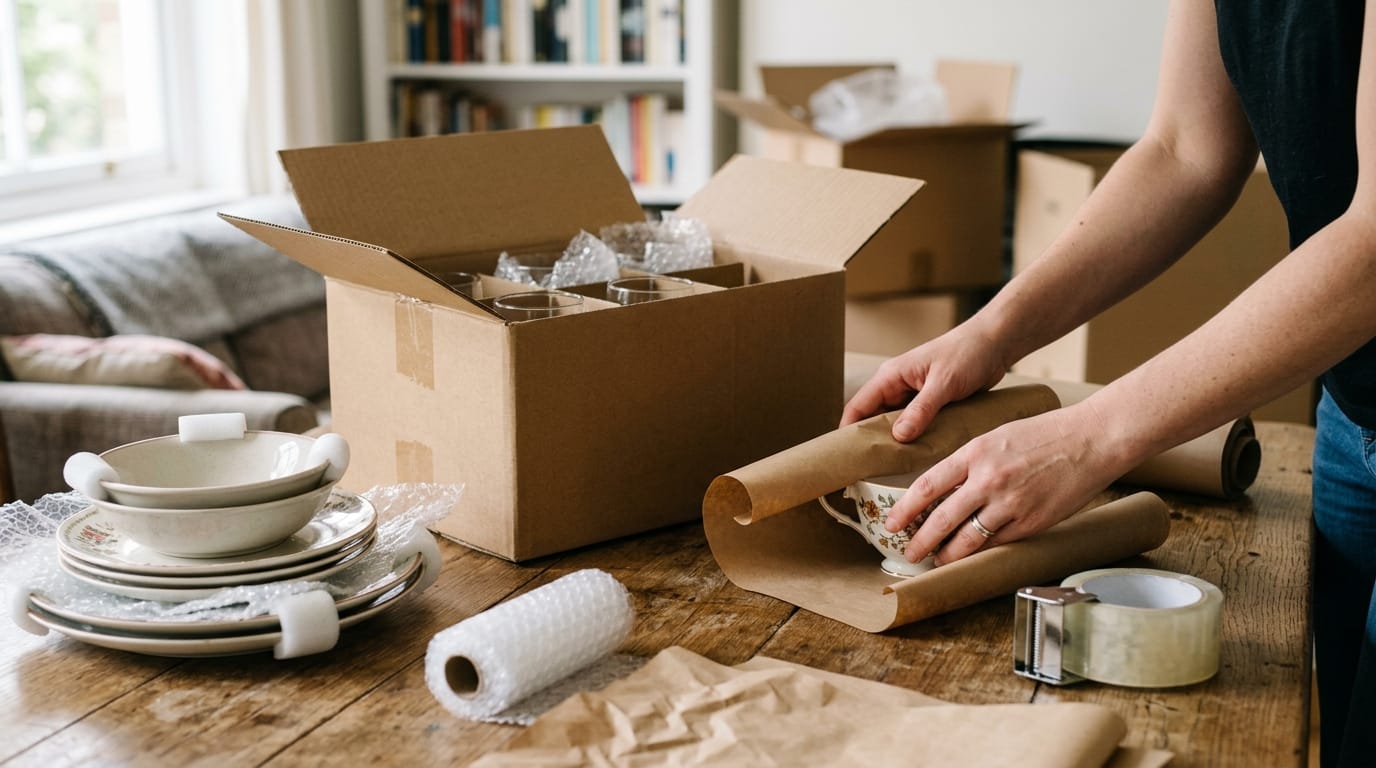
It is very common that moving can make people feel very stressful especially when you see a pile of cardboard boxes being loaded onto a truck. You know that your flat-screen TV, antique glass vases and pricey framed art are inside. Breaks during a move are rarely caused by luck. Usually they happen because of packing, weak boxes or missing protection. If you want your fragile items to reach your home without a single break you need a clear plan. This is a step-by-step guide by Boss Removals and Logistics for packing fragile items, expensive electronics and delicate artwork so that nothing scratches or cracks.
1. Gather the Right Moving & Packing Supplies
It is advised by our removalists in Melbourne to please not use grocery store boxes before you start taping up your box. Fragile items need special care with the best packing materials that can absorb shocks and stop items from getting scratches or cracks.
Strong Walled Boxes
You should use strong boxes for pricey items like glassware and electronics.
Telescoping Picture / Mirror Boxes
These are two-piece cardboard boxes that join together to easily hold frames, home decors and other artwork.
Unprinted Newsprint Paper
Unprinted newsprint paper is way better than printed newspaper because regular newspaper leaves ink marks on porcelain, glass and canvas which gets difficult to remove.
Bubble Wrap (Small & Large Bubble)
Small bubbles help protect surfaces from scratches while large bubbles help cushion against heavy hits.
Microfiber Cloths & Anti-Static Bubble Wrap
Microfiber cloths and anti-static bubble wrap are the most important things for packing delicate electronic screens and circuit boards.
Super Strong Acrylic Packing Tape
The problem with regular masking tape or duct tape is that it will come off when loads of the things get heavy or the temperature changes.
Foam Corners & Packing Peanuts
Foam corners and packing peanuts are great for keeping items in the middle and away from the sides of the boxes.
2. How to Pack Fragile Glassware, China and Ceramics
Glassware and ceramics need a "box-within-a-box" way of thinking. The purpose is to remove any spaces so nothing can move, hit into something else or break under pressure.
Saucers (Never Pack Flat!)
The Golden Rule: A very important packing rule shared by movers in Melbourne to always pack plates standing up on their edges like vinyl records. Putting plates flat makes a surface that breaks easily when a box gets a sudden jolt.
The Process: As suggested by movers and packers in Melbourne, wrap each plate with two layers of packing paper. Put a layer of bubble wrap or a paper plate between each wrapped dish. Cover the bottom of a dish barrel box with three inches of crumpled paper. Place the plates next to each other standing up. Fill every space around the plates tightly with paper balls so nothing moves.
Stemware and Crystal Glasses
Stemware and crystal require special handling to ensure the delicate stems and rims do not crack:
- ✓Put paper inside the bowl of each glass to support the shape from the inside.
- ✓Wrap the stem with bubble wrap so it has the thickness as the bowl.
- ✓Wrap the glass with two layers of packing paper folding the top and bottom parts in.
- ✓Stand the glasses upright in cell dividers or thick cardboard boxes. Never put stemware down because the edges are usually the weakest part.
3. How to Pack Electronics and Sensitive Tech
Modern electronics face three dangers when you move them: physical impact, moisture or static and lost wiring configurations.
Pre-Packing Prep & Cable Management
Photograph the wiring: Before you unplug your TV, desktop computer or sound system take a photo of the back panel. This step removes setup headaches later.
Label the cables: If you take advice from professional office removalists in Melbourne, detach every cable, roll each cable gently so that the internal wires are not bent and seal each cable in a bag that carries a label for its device.
Remove accessories: Take out game discs, toner cartridges from printers and USB dongles.
Packing TVs and Desktop Computers
Use Original Packaging If Possible: The original box with its custom styrofoam inserts is always the best way to protect monitors and TVs.
If You Don't Have the Box: Use a heavy-duty telescoping TV box. You should cover the screen with a microfiber blanket or an anti-static foam sheet to prevent micro-scratches. Do not place bubble wrap directly against a screen because the plastic bubbles can cause some reaction with screen coatings or leave permanent circular impressions when temperature rises up.
Keep Displays Upright: Flat-screen TVs are built to distribute weight vertically. Carrying a TV flat on its face or back can cause the internal glass element to crack under its own weight on bumpy roads.
Anti-Static Protection for PC Components & Gaming Consoles
Wrap gaming consoles, desktop towers and audio receivers in anti-static bubble wrap (which is usually pink). Standard plastic bubble wrap can build up electricity during movement and that static can discharge into delicate internal circuitry.
4. How to Pack Framed Artwork, Oil Paintings and Sculptures
Art pieces need care. Canvas surfaces, delicate wood frames and antique oil paints can react strongly to friction, moisture and pressure.
| Artwork Type | Primary Risk | Best Protection Method |
|---|---|---|
| Glass-Framed Prints | Slicing the art from shattered glass | Glass-guard tape grid, bubble wrap, and telescoping picture box |
| Oil Canvas (Unframed/Framed) | Surface sticking, cracking, and moisture | Glassine paper overlay, foam corners, and rigid crate |
| Mirrors | Flexing and frame detachment | Painter's tape X-mask, corner guards, and mirror carton |
| 3D Sculptures and Statues | Limb breakage and tipping | Double-boxing with 3 inches of foam peanuts all around |
Protecting Glass-Framed Prints, Mirrors & Fine Oil Paintings
Follow these specialized protection protocols for high-value artwork and framed prints:
Protecting Glass-Framed Prints and Mirrors
Apply Glass-Guard Tape: Place painter's tape or special glass masking tape across the front of the glass forming an "X" that reaches the edges of the frame. If the glass cracks while traveling the tape will keep the shards together stopping them from tearing the print.
Add Corner Protectors: Slip pre-formed cardboard or foam corner guards onto each of the four corners of the frame.
Wrap and Box: Wrap the frame in multiple layers of bubble wrap then tape the wrap securely. Slide the frame down into an adjustable picture carton. Fill any space with rolled paper so the art stays in place.
Protecting Fine Oil Paintings (No Glass)
Never let plastic bubble wrap or paper touch the surface of an oil painting directly. Temperature changes can make it stick or react with the paint, which can ruin the finish.
• Cover the canvas face with a sheet of glassine paper. Glassine paper is ultra-smooth and archival-grade; it resists air, water and grease.
• Secure the glassine paper to the back of the frame with low-tack painter's tape.
• Wrap the canvas tightly in moving blankets, add a layer of bubble wrap, and place inside a rigid picture carton or custom wooden crate.
5. Labeling and Box Loading Secrets
The best packing technique in the world will not protect your items if a heavy box of books gets stacked on top of your wine glasses.
Mark 3 Sides of Every Box: Write "FRAGILE" and "THIS SIDE UP" (with arrows) in bright red marker on the top and at least two side panels.
The "Shake Test": Once a box is packed and taped, lift the box up and give it a gentle shake. If you feel or hear anything moving, shifting or rattling inside the box, open it up and add more fill material. A silent box is a safe box.
Strategic Truck Loading: Heavy boxes go on the floor of the moving truck, against the cab wall. Fragile boxes containing artwork, glassware and electronics should be loaded last, strapped securely near the top layer or placed in a spot where nothing can tilt or fall onto the fragile boxes.
By taking the time to layer materials, cushion empty space and choose the right box shapes you can stop moving day stress. You can make sure every single one of your treasures arrives safe, sound and ready for your new home.
Need Help Packing or Moving?
Moving doesn't have to be stressful. Our team of professional movers and packers in Melbourne can handle everything from packing your kitchen boxes to transporting heavy furniture.